
REMODELING GUIDES · ARCADIA · SAN GABRIEL VALLEY
How to Choose a Remodeling Contractor in Arcadia
Eight checks that separate a contractor who will finish your project from one who will start it — license, permits, written scope, payment schedule, and what a vague quote is hiding.
On this page
About 8 min read
THE SHORT ANSWER
Use this list on everyone — including us.
We are a licensed contractor ourselves, so this is not written to flatter us. It is written so that any homeowner in Arcadia can compare bids on something better than price: verify the license with the state, make the scope written and specific before money moves, confirm who carries the permit, keep the down payment inside California’s limit, and find out what happens when they open the wall.
A contractor who answers all eight clearly is usually a contractor who will finish. One who dodges any of them is telling you something before you have signed anything. We run our own projects the way this list describes, across kitchen, bathroom and whole-home remodeling.
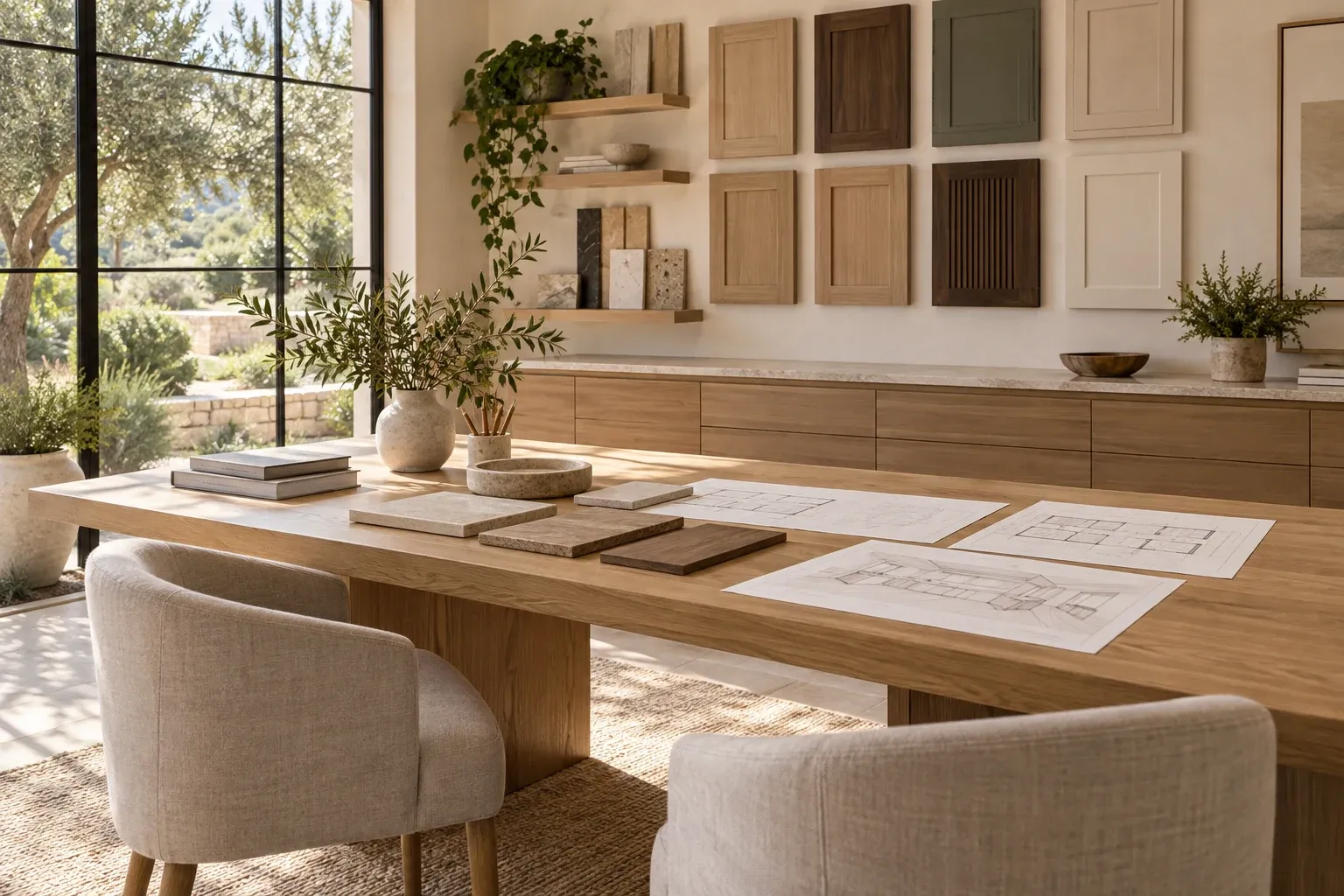
CHECK 1
Verify the license yourself, on the state’s site.
Do not take a license number on a business card or a website footer as proof. Look it up on the Contractors State License Board’s own license check, and confirm three things: that the license is active, that the classification matches your work, and that the name on the license matches the entity on your contract.
For reference, ours is KWA Home · B General Contractor · #1145730. Check it the same way you would check anyone else’s — the lookup is free and takes under a minute.
While you are there, look at whether there are recorded complaints or a bond and insurance status that is current. A license that lapsed mid-project is a problem that surfaces at exactly the wrong time.
CHECK 2
Ask exactly who pulls the permit.
This question answers two things at once. If the contractor pulls it, they are putting their own name on the work and accepting inspection. If they suggest you pull it as an owner-builder, ask why — because it usually means they do not want the inspection trail attached to their license.
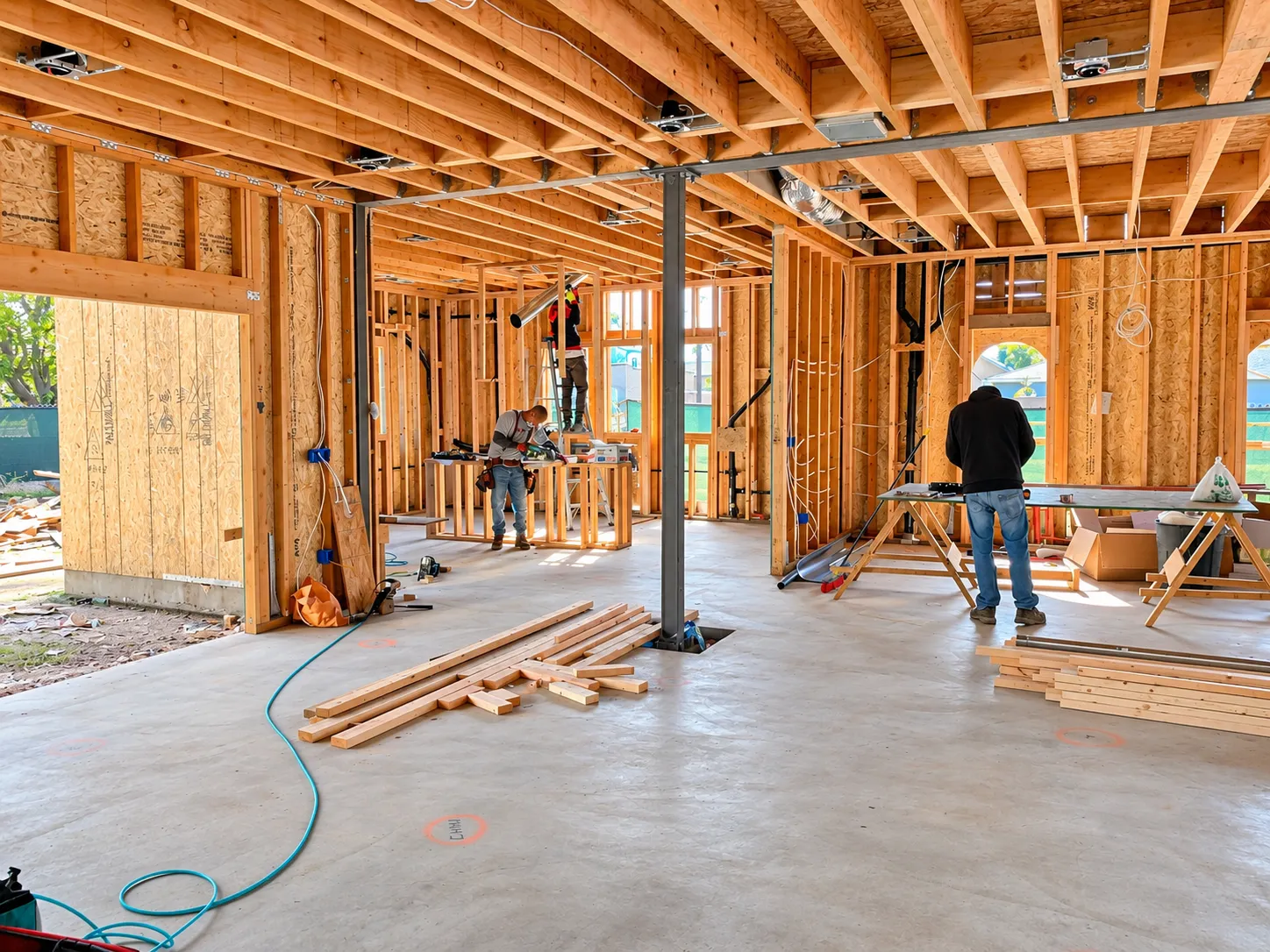
And who meets the inspector
Rough-in inspections happen while walls are open. The person who built the work should be the person standing there when it is checked.
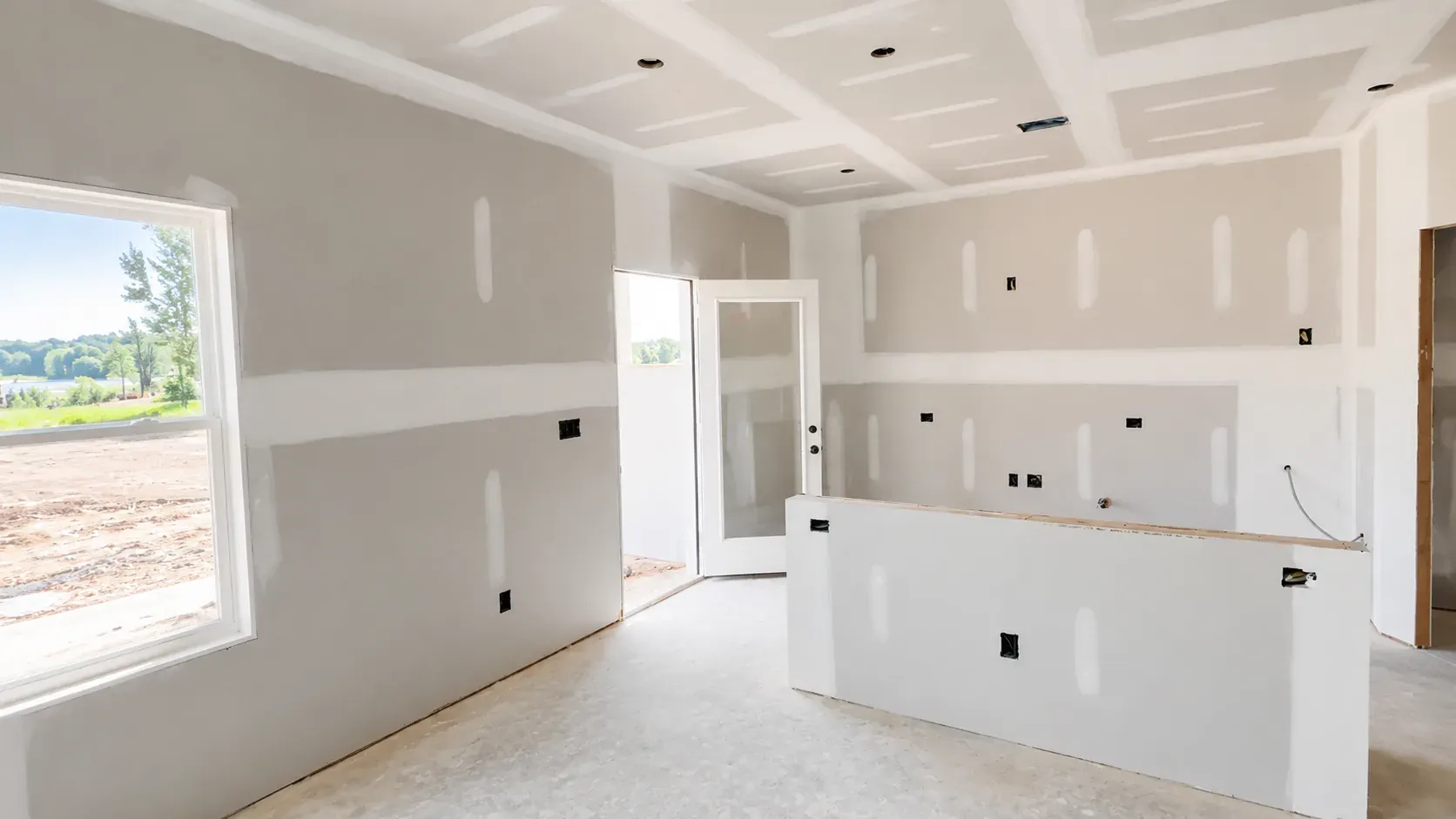
Corrections are normal
Inspectors find things. What matters is that the team booked the inspection and answers corrections, rather than asking you to chase the counter.
Unpermitted work has a long tail
Work done without permits can surface at sale, at refinance, or in an insurance claim — years after the contractor has gone.
Ask what triggers review
Moving plumbing, altering electrical or changing a wall does; replacing finishes in place usually does not. A contractor who cannot tell you which is which has not thought about your scope.
CHECK 3
A number is not a scope.
Two bids can differ by thirty per cent simply because they include different things. The only way to compare them is a written scope that names what is included, what is excluded and what happens if conditions change.
On smaller screens, swipe across the table to compare all columns.
| Vague quote | Written scope | |
|---|---|---|
| Cabinetry | “Kitchen cabinets, allowance $18,000” | Drawn run, dimensions, veneer, door style, hardware, interior fittings, installed |
| Electrical | “As needed” | New dedicated circuits, lighting layout, panel requirement named |
| Tile and waterproofing | “Tile work” | Membrane type, flood test before tile, extent of tiling stated in square feet |
| Demolition | Not mentioned | Named, with disposal and protection of adjacent rooms |
| Exclusions | Not mentioned | Stated explicitly — appliances, permits, asbestos testing if applicable |
An “allowance” is not a price, it is a placeholder. If half the bid is allowances, you do not have a bid yet — you have an estimate with blanks in it.
CHECK 4
Know what California allows up front.
California limits the down payment a contractor may request on a home improvement contract — generally to 10% of the contract price or $1,000, whichever is less. Contracts above a modest threshold also have to be in writing and contain specific disclosures. These rules exist precisely because deposits are where most homeowner losses happen.
Ask for the payment schedule in writing and see whether it tracks progress rather than calendar dates. A schedule that asks for most of the money before rough-in is a schedule worth questioning, regardless of how pleasant the sales conversation was.
Confirm current figures with the CSLB directly — we are a contractor, not a regulator, and the point of this section is that you should check rather than trust.
CHECK 5
Insurance, and who is actually on site.
Ask for certificates, not assurances
General liability and workers’ compensation cover you, not them. Certificates can be produced the same day; a reluctance to produce one is an answer in itself.
Who does the work
Some companies sell the job and subcontract everything. That is workable, but you should know it, and know who supervises day to day.
Who you call at 7am
One named person who owns the schedule is worth more than a company phone number.
What is supplied by whom
If you are buying your own tile or appliances, agree quantities and lead times before demolition. Missing materials are the most common reason a bathroom sits half finished.
CHECK 6
Three bids, on the same scope.
Compare like with like. Send the same written scope to three contractors and compare what comes back — not just the total, but what each one chose to spell out and what each chose to leave vague. The outlier bid is usually the outlier for a reason that becomes obvious once you read the exclusions.
Price alone is genuinely a poor signal in remodeling. In this area, an unusually low number most often means the scope is thinner than you think, not that the contractor is more efficient.
CHECK 7
Ask what happens when they open the wall.
A large share of Arcadia’s housing stock was built between the 1940s and the 1960s — see what renovating houses of that age usually uncovers — and no one can see inside a wall before it is opened. Old supply lines, patched framing and previous unpermitted repairs are common findings.
Ask two questions: how is extra work priced, and who decides before it starts. The answer you want is that anything found is shown to you with a price, and that nothing proceeds without your approval. A contractor who cannot describe that process has not run many remodels on houses of this age.
CHECK 8
Schedule, sequencing, and honest answers.
Ask what happens first, what you need to decide and by when, and what stops the job if you are late with a selection. Contractors who sequence well can tell you this because they have thought about it; it is the same information that determines whether your kitchen is finished in five weeks or nine.
Then ask what they will not do. A contractor who names their limits is easier to work with than one who agrees to everything in the room and works it out later.
FAQ
Questions homeowners ask us.
How many bids should I get?
Three is enough to see whether a price is reasonable and whether a scope is complete. More than three usually means more time spent producing documents and less time spent choosing.
Is the lowest bid ever right?
Sometimes, if the scopes genuinely match. Compare exclusions before comparing totals — that is where the difference usually lives.
Should I supply my own materials?
You can, and on finishes it can save money. What it costs you is risk: if a box is missing or the wrong size arrives, the delay is yours. Agree quantities and lead times before demolition either way.
Do I need a permit for my project?
Replacing finishes in place usually does not; moving plumbing, altering electrical or changing a wall does. Ask your contractor which parts of your specific scope trigger review, and check with the City of Arcadia Building and Planning Departments (240 W Huntington Dr, Arcadia, CA 91007; Planning Division (626) 574-5423).
How do I check your license?
The same way you would check anyone’s — on the Contractors State License Board’s license lookup. Ours is KWA Home, B General Contractor, #1145730. Talk to us about your project.
Clear scope. Clear accountability.
Service scope
KWA Home is not an architecture or design firm: we do not offer architectural design to the public, we do not stamp drawings, and we do not perform structural engineering.
Licensed professionals
Where drawings or structural calculations are needed, they are prepared and stamped by California-licensed design professionals.
Project responsibility
We are licensed contractors, not a regulator: construction runs under KWA Home, CSLB #1145730, and remodeling under MIT Construction, CSLB #964155. Check every number here yourself, including ours.